
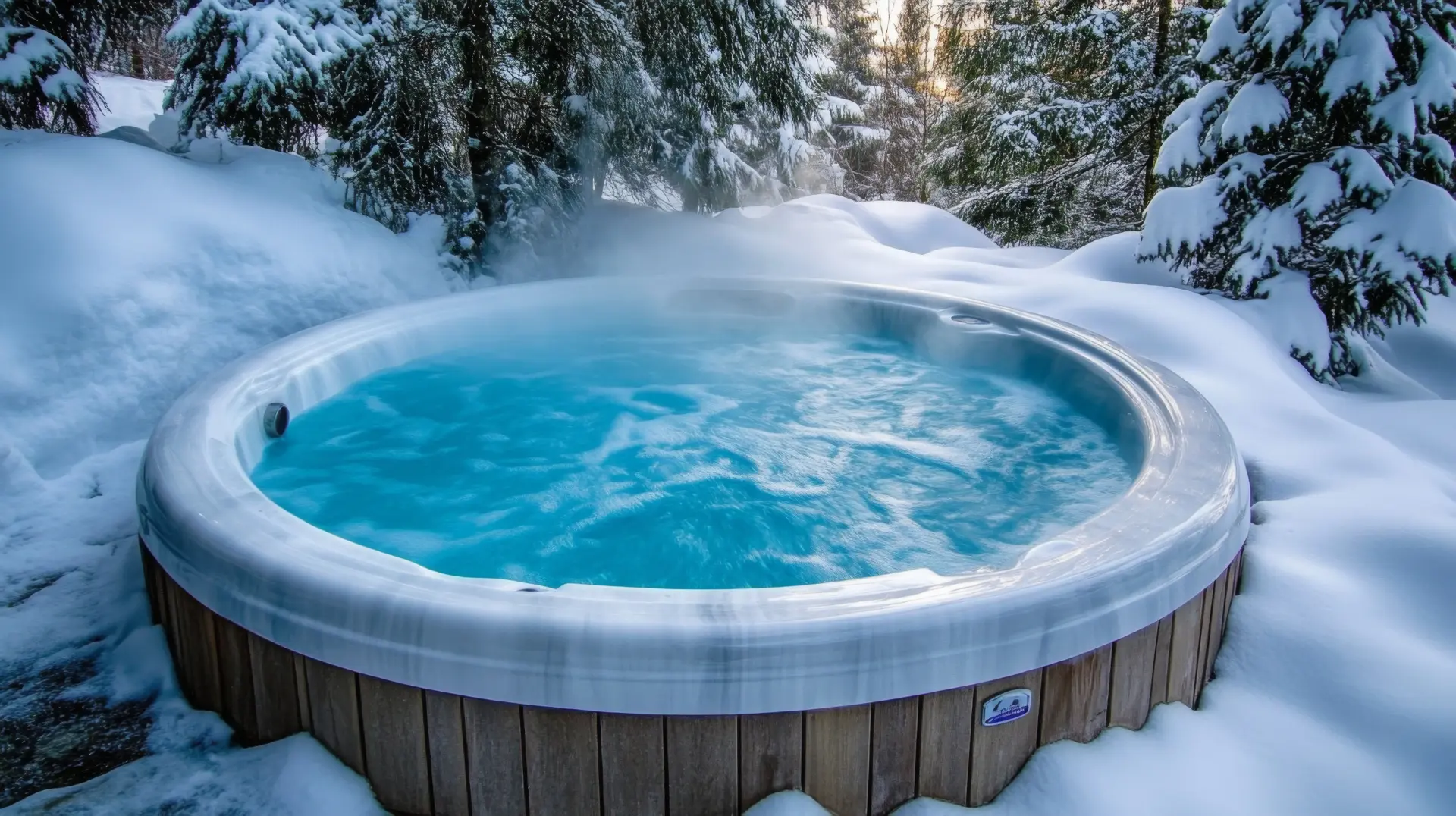
Wondering when to call a hot tub engineer? Get expert advice on diagnosing and fixing heating, circulation, leaks, and electrical issues for safe, reliable hot tub use.
Your Hot Tub Is Not Heating Properly
A hot tub that is not heating properly is one of the clearest signs that you may need an engineer. The water may stay cold, take too long to warm up, or reach a lower temperature than the one shown on the control panel. This can be caused by several issues, including a faulty heater, poor water flow, a sensor problem, scale build-up, or a fault in the control system. It is important not to guess because different causes can produce similar symptoms.
Heating problems can also lead to much higher running costs. If the heater is working harder than normal, it may use a lot more electricity while giving poor results, which is a huge waste. If water is not flowing correctly through the heater, the system may shut down to protect itself. This can lead to error messages or repeated restarts. A damaged cover can also make the hot tub seem like it has a heating fault because heat escapes too quickly.
Always call an engineer if the water does not heat as expected after basic checks, such as confirming the settings and cleaning the filter. Engineers can test your hot tub’s heater, check the sensors, inspect the flow, and look for related faults.
The Water Is Not Circulating
Good circulation is essential for a hot tub. It moves water through the filters, heater, and pipework, helping to keep the water clean and warm. If the water is not circulating as it should, you may notice weak movement, poor filtration, several cold areas, or water that becomes cloudy really quickly. The hot tub may also show a flow error or stop heating because the system needs enough water movement to operate safely
Circulation problems can have several causes. A blocked or dirty filter is one of the most common. Air trapped in the system can also stop water from moving as it should. There may be a problem with the circulation pump, valves, pipework, or water level. If the water level is too low, the pump may draw in air instead of water. If debris has entered the system, it may restrict flow and place strain on the pump..

You should call a hot tub engineer if cleaning the filter and checking the water level do not solve the issue. Poor circulation can damage the heater and pump if it is ignored. It can also make water harder to keep safe.
An engineer can test the flow, remove blockages, check the pump, and make sure the system is working correctly. Restoring circulation helps protect the hot tub and keeps the water in better condition.
You Notice Leaks Around the Hot Tub
Leaks should always be taken very seriously because they can cause lots of hidden damage. You may notice water pooling around the hot tub, a damp patch near the base, or a water level that drops faster than usual. Sometimes leaks appear only when the jets are running, which can make them harder to trace. The source may be a loose-fitting, damaged seal, cracked pipe, pump connection, jet body, or shell issue. As many of these parts are inside the cabinet, the leak may not be easy to see.
A leak can do so much damage to more than just the hot tub. Water can affect decking, flooring, garden buildings, and nearby electrical items. Inside the hot tub, it can soak insulation, weaken the frame, or reach parts that should stay dry. A falling water level can also cause the pump to run with too little water, which may lead to more damage. For this reason, topping up the water without finding the cause is only a short-term response.
Call a local engineer if you see any repeated water loss or damp areas around the hot tub. The engineer can then carefully remove the panels, inspect the pipework, test the system under pressure, and clearly identify where the leak begins.
The Jets Are Weak or Not Working
Jets are a key part of the hot tub experience, so weak or failed jets can be frustrating. If the jets have lost pressure, only some jets are working, or no water comes through at all, there may be a problem with water flow, air controls, valves, filters, or the pump. In some cases, the issue tends to be simple, such as a closed jet face or blocked filter. In other cases, it may involve a worn pump, trapped air, blocked pipework, or damaged jet fittings.

Weak jets can also be a sign that the system is under strain. If the pump cannot move enough water, the heater and filters may also be affected. If debris or scale has built up inside the pipework, water may not flow freely. If the air controls are not working, the jets may feel flat even when water is moving. Ignoring the issue may allow the underlying cause to become worse.
An engineer in your area can test the pump, inspect the filters and valves, check for airlocks, and look for signs of blockage or damage. Getting the jets working properly again is the best way to improve comfort, but it also helps confirm that the wider water system is healthy. Strong, steady jets usually point to better circulation and better overall performance.
The Control Panel Shows an Error
The control panel is designed to warn you when the hot tub detects a problem. Error messages may relate to flow, heating, sensors, temperature, pumps, or electrical faults. While some messages can be cleared after a simple check, repeated or unexplained errors should not be ignored. The panel may be showing that the hot tub is protecting itself from damage. For example, a flow error may stop the heater from running because there is not enough water movement. A sensor error may mean the system cannot read the water temperature correctly.
It is always best to avoid resetting the hot tub again and again as a means of addressing the problem. A reset may clear the message for a short time, but it does not completely fix the cause. If the same error returns, there is likely an issue that needs attention. Continuing to use the hot tub may put pressure on pumps, heaters, or electrical parts. It may also create a much worse safety risk if the fault affects temperature control or power.
The Water Looks Cloudy or Smells Bad
Cloudy water or bad smells should not be ignored or neglected. These signs usually mean the water is not being cleaned or balanced properly. It may be due to poor chemical levels, blocked filters, weak circulation, high use, or dirt inside the pipework. Warm water needs plenty of care because it can change quickly. Even if you add chemicals, the water may remain cloudy if the filter or circulation system is not working as it should.
Bad smells can suggest bacteria, old water, dirty filters, or a build-up inside the pipes. Foam, scum lines, and water that feels unpleasant can also point to poor water quality. This can affect comfort and may irritate the skin or eyes. It can also damage the hot tub if the water balance is wrong for too long. Scale can form on heaters and jets, while acidic water can harm seals and metal parts.
If water problems keep returning after normal cleaning and water treatments, the issue may not be the chemicals alone. Your hot tub may have a form of circulation fault, filter problems, or hidden build-ups that need immediate attention.
The Hot Tub Keeps Tripping the Power
If your hot tub keeps tripping the power, you should stop using it and arrange an inspection. This is one of the most important signs that something may be wrong. A hot tub uses electrical parts close to water, so repeated power trips must be treated with care. The cause may be moisture in the system, a faulty heater, a damaged pump, wiring problems, or an issue with the control box. It may also happen after heavy rain, a leak, or recent work on the hot tub.
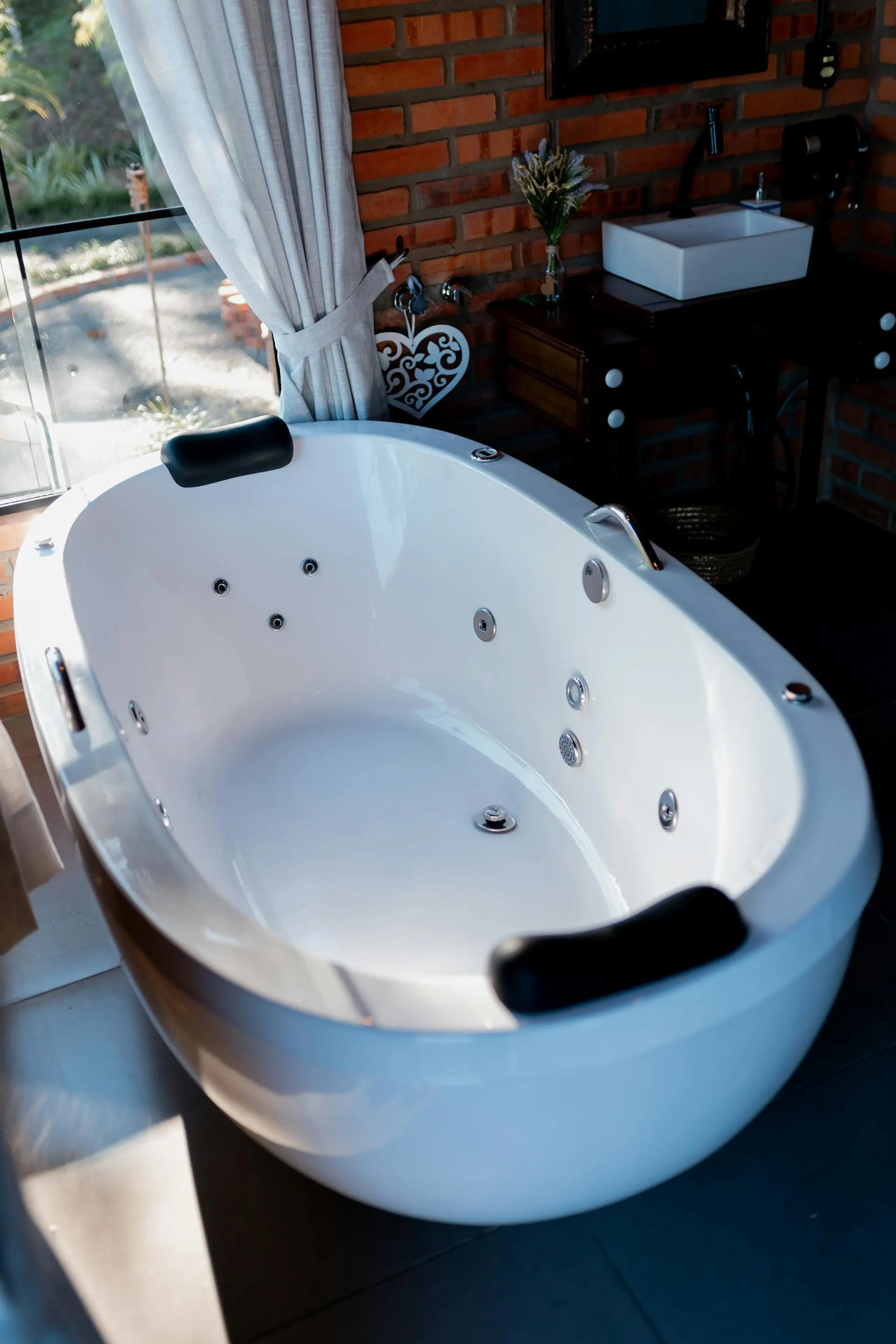
Resetting the power without checking the cause can be unsafe. If the trip happens again, it means the system is detecting a fault. Continuing to use the hot tub could lead to further damage or create some risk to the users. Even if the hot tub starts working again for a short time, the problem may still be present. Electrical faults can worsen quickly if water or heat is involved.
Call a hot tub engineer as soon as possible when the hot tub repeatedly trips the power. The engineer can test the main parts, isolate the cause, and advise whether repairs are needed before the hot tub can be used safely. This is not a problem to delay. A proper check protects people, property, and the hot tub itself.
You Hear Strange Noises
Strange noises can be a significant early warning that a part is wearing out or under pressure. Hot tubs make some normal sounds when the pumps and jets are running, but new or unusual sounds should be checked. A humming sound may suggest that the pump is struggling to start. Grinding can point to worn bearings or debris inside a moving part. Rattling may come from loose panels, pipework, or fittings, and high-pitched sounds may suggest restricted flow or pump strain.
Noise problems can be quite easy to dismiss because the hot tub may still work while this is happening. Yet, a noisy pump or motor can fail if it continues to run under stress. If the sound is linked to poor water flow, the heater and filters may also be affected. If the noise comes from vibration, it could loosen connections over time.
If a sound is new, loud, repeated, or linked to a change in performance, it’s best to call for help. It is good to note when the noise happens, such as during heating, jet use, or filtration cycles. Hot tub specialists can listen to the system, inspect the pump, check the water flow, and look for loose or damaged parts. A prompt repair is the best way to stop wear from spreading and help the hot tub run more quietly.
You Need Help With Regular Servicing
Frequent servicing helps keep a hot tub safe, clean, and reliable. Even when there is no obvious fault, an engineer can check parts that are easy to miss during normal use. This may include pumps, heaters, filters, seals, pipework, jets, valves, and the control system. Servicing can also include checking for leaks, testing water flow, inspecting the cover, and looking for signs of wear. These checks help find small issues before they become expensive repairs.
Many hot tub owners can manage day-to-day care, such as checking chemical levels and cleaning filters. However, a deeper service gives a fuller view of the hot tub's condition. It is especially useful if the hot tub is used often, has not been serviced for a long time, or is being started again after a period without use. Servicing can also help before winter, when cold weather can make leaks and heating problems more serious.
You should call an engineer if you want peace of mind or if you are unsure whether your hot tub is being cared for correctly. Regular servicing can help improve performance, reduce running costs, and extend the life of the hot tub. It also gives you a chance to ask questions and learn how to spot early signs of trouble.
Why Fast Action Can Prevent Bigger Repairs
Fast action is one of the best ways to prevent larger hot tub repairs. Many faults begin as small changes in performance. The water may heat slowly, the jets may weaken, the water may become cloudy, or the pump may sound different. Such signs can seem minor, but they often show that a part is under strain. If the cause is not fixed, that strain can spread through the system and damage other parts.
For example, poor circulation can impact the water quality, heater performance, and pump health. A small leak can damage insulation, flooring, and electrical parts. A blocked filter can make the pump work harder, which may shorten its life. A control panel error may point to a fault that the system is trying to manage before serious damage occurs. Acting quickly helps stop these problems from becoming more complex.
Fast action also gives you more choices. A small repair can often be arranged before the hot tub stops working completely. A major fault may require more parts, more labour, and more time out of use.
Our hot tub services in Addlestone, Ashford, Banstead and Surrey combine precise water balancing, deep cleaning, proactive inspections, and leak detection to keep your hot tub safe, efficient, and luxurious. By topping up levels, sanitising shells, servicing filters, verifying pumps, testing electrics, and spotting hidden faults early, we save you money, extend equipment life, and guarantee sparkling, ready-to-soak water year-round.