Find out how often you should maintain your hot tub, from regular water checks and filter cleaning to draining, servicing, and dealing with early signs of a problem.
How Often Does a Hot Tub Need Maintenance?
Hot tub maintenance is not a job that should only be completed when the water becomes cloudy or something stops working. A good routine includes small checks throughout the week, regular cleaning, and more detailed maintenance every few months.
How often you need to maintain your hot tub will depend on how much it is used, how many people use it, the type of water treatment system, the weather, and the manufacturer's instructions. A hot tub used every day by several people will normally need more attention than one used once or twice a week.
As a general guide, water should be checked frequently, filters should be cleaned regularly, and the hot tub should receive a deeper clean several times a year. Current guidance from Jacuzzi recommends testing water daily, cleaning the filter weekly, draining and refilling every three months, and replacing filters yearly for its hot tubs. Other manufacturers may give different instructions, so always check the manual for your model.
Check Your Hot Tub Water Regularly
Water care is one of the most frequent parts of hot tub maintenance. Warm water, jets, and regular use can cause the chemical balance to change quickly. Sweat, body oils, cosmetics, dirt, and other substances can also affect water quality.
The United States Centers for Disease Control and Prevention advises home pool and hot tub owners to test chlorine concentration and pH at least twice each day, with more frequent testing when many people are using the water. Its current guidance recommends a chlorine concentration of at least 3 parts per million in hot tubs and a pH level between 7.0 and 7.8.
If you use bromine rather than chlorine, current hot tub safety guidance recommends a bromine level between 4 and 8 parts per million. Your chosen water treatment product and hot tub manufacturer may provide more specific instructions.
Testing is particularly important after heavy use. If several people have been in the hot tub, check the water afterwards and make any adjustments recommended for your water treatment system.
Clean the Filters Every Week or Month
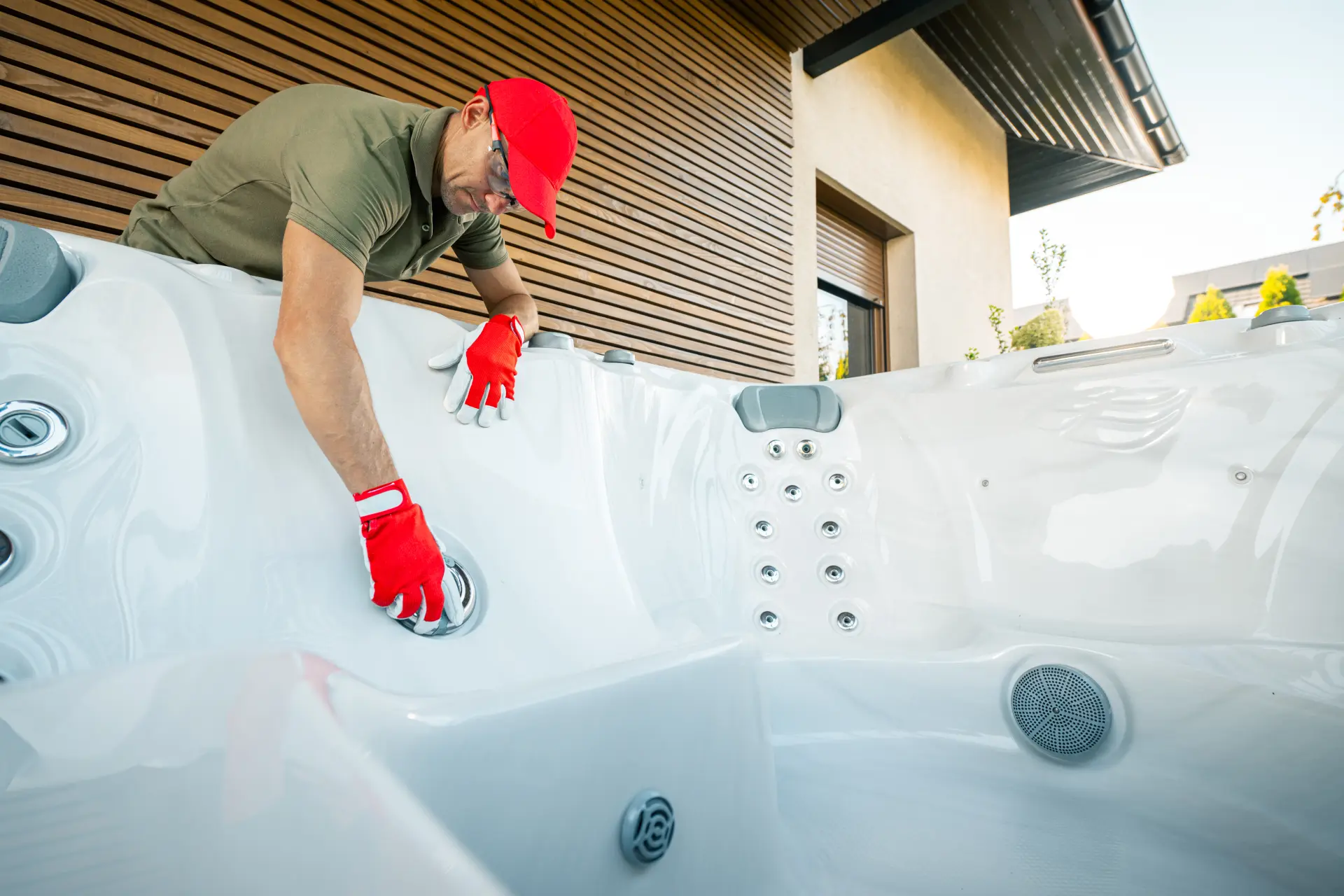
The filter catches hair, dirt, oils, and other material as water moves through the hot tub. When it becomes blocked, water flow can fall and the pump may have to work harder.
Filter schedules vary between manufacturers. Jacuzzi currently advises weekly filter cleaning for some of its hot tubs, while other manufacturer guidance recommends rinsing filters around once a month. This is why your hot tub manual should always be your main guide.
If the hot tub receives heavy use, inspect the filter more often. A filter that looks dirty, feels greasy, or is becoming difficult to clean may need a deeper clean or replacement.
Give the Hot Tub a Weekly Clean
A regular surface clean stops dirt from building up around the waterline, seats, jets, and other areas. Remove leaves and other debris as soon as you notice them. Wipe the exposed shell and check the waterline for oils or marks.
The cover should also be inspected. Remove standing water, leaves, and dirt, and check for cracks, sagging, damaged straps, or sections that no longer fit properly. A good cover helps keep dirt out and reduces heat loss when the hot tub is not being used.
Use cleaning products that are suitable for your hot tub. Household cleaners can contain substances that cause excessive foam or affect the water balance. Always follow the cleaning instructions supplied by the manufacturer.
Drain and Refill the Hot Tub Every Three to Four Months
Even when the water looks clear, substances can slowly build up as the same water is treated and reused. Eventually, maintaining the correct water balance may become more difficult. Draining the hot tub gives you the chance to replace the old water and clean areas that are normally underwater.
Current guidance from major hot tub manufacturers commonly recommends draining and refilling a traditionally treated hot tub around every three to four months. Jacuzzi advises a drain and refill every three months in its general maintenance schedule, while Hot Spring states that hot tubs using traditional water care commonly need fresh water every three to four months.
This is not a fixed rule for every hot tub. Some modern water care systems can allow water to remain in use for longer, while very heavy use may mean it should be changed sooner. Follow the instructions for your exact model and water treatment system.
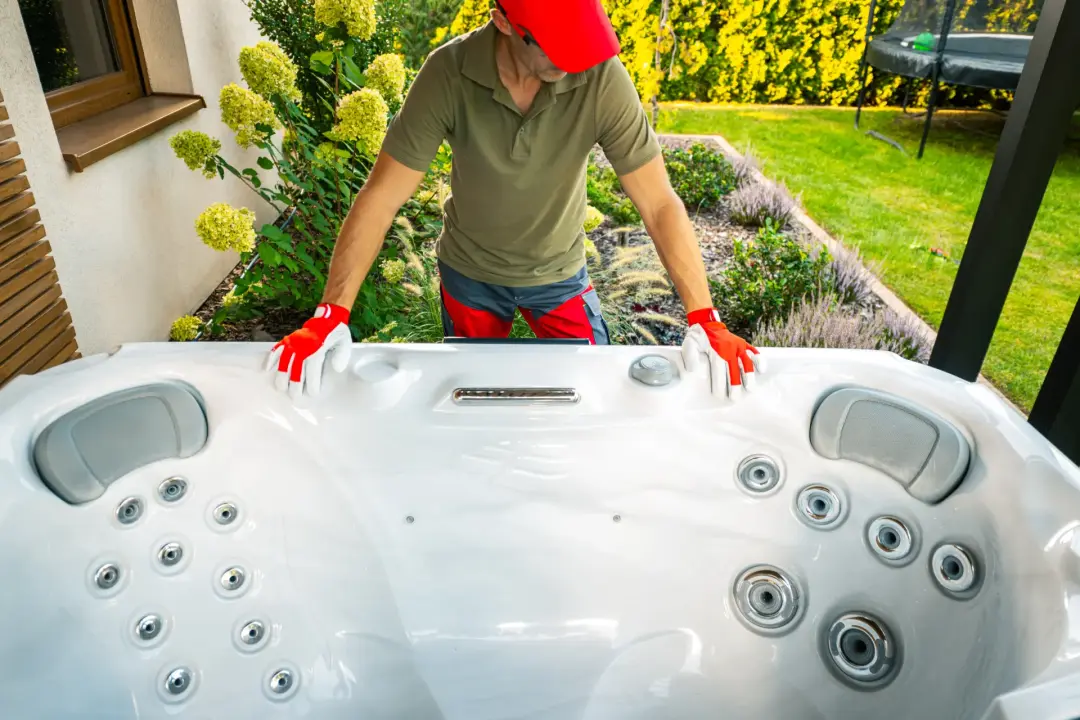
When the hot tub is empty, clean the shell, check around the jets, inspect visible fittings, and clean the filter as directed. This is also a useful time to look for staining, scale, small cracks, or signs of a leak.
Inspect the Hot Tub Every Month
A more detailed monthly inspection can help you find small changes before they turn into larger problems. Look around the hot tub while it is running and pay attention to the strength of the jets, water temperature, heating time, circulation, and any unusual sounds.
Check the cabinet and the ground around the hot tub for unexplained moisture. A falling water level can also be a warning sign, although normal use and evaporation will cause some water loss.
Take a closer look at the cover, controls, visible seals, and filters. If something has changed since the previous month, investigate it rather than waiting for the hot tub to stop working completely.
Arrange Professional Hot Tub Servicing
Regular owner maintenance can deal with water care, simple cleaning, and basic checks, but some parts of a hot tub require specialist attention.
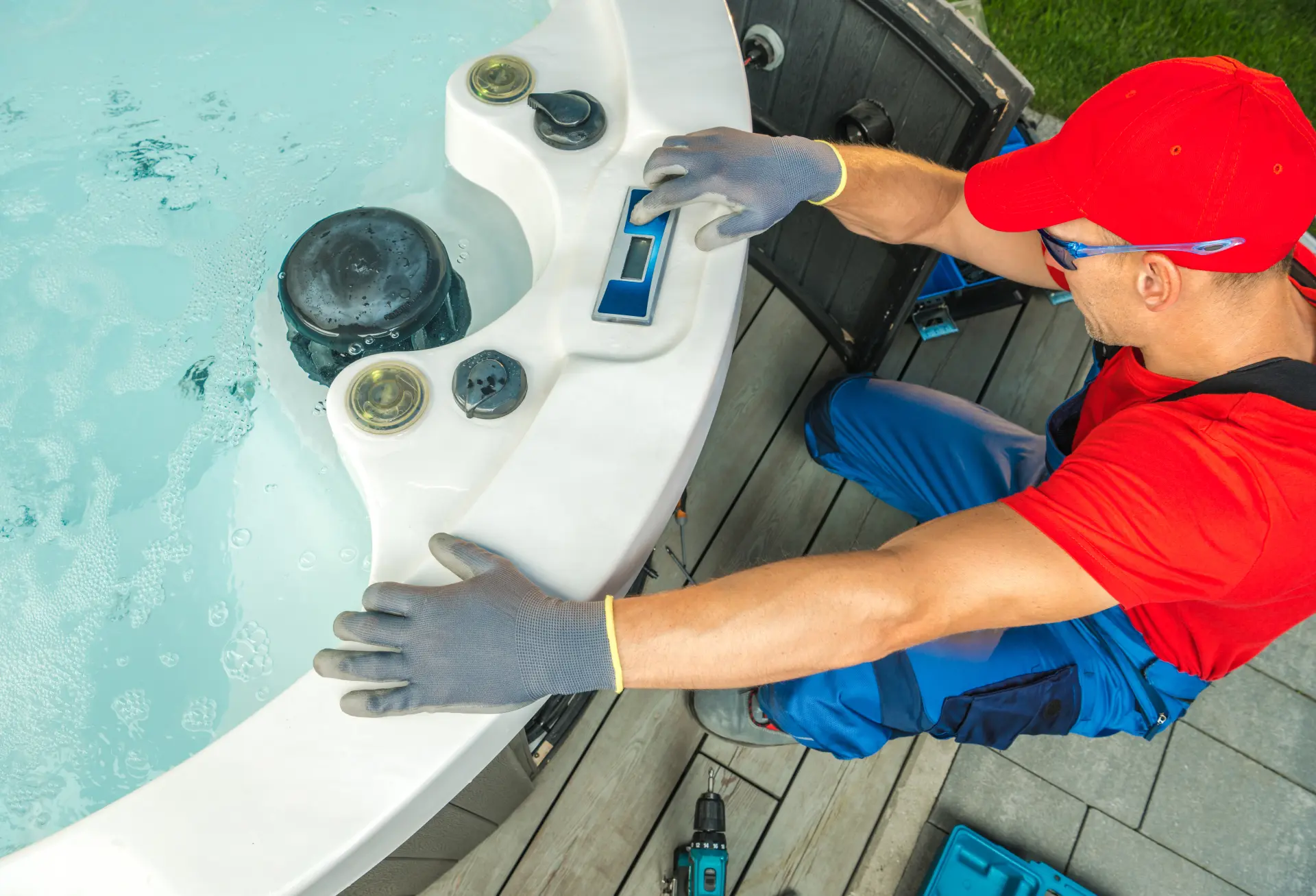
It is sensible to arrange a professional inspection in line with the manufacturer's servicing schedule. An engineer can check pumps, heaters, seals, controls, pipework, electrical parts, and water circulation. They can also identify wear that may not be obvious during normal use.
Professional attention may be needed sooner if your hot tub is used heavily, has been left unused for a long period, or starts showing signs of a fault.
Maintenance Matters for Water Safety
Hot tub maintenance is about more than keeping the water looking clear. Poorly maintained spa systems can allow harmful germs to grow. The Health and Safety Executive identifies spa pools as a recognised source of illnesses caused by infectious agents, including the bacteria responsible for Legionnaires' disease.
Warm water creates conditions that make good cleaning, water treatment, and circulation particularly important. The United States Centers for Disease Control and Prevention also advises that hot tub water should not be hotter than 40 degrees Celsius.
Regular testing, cleaning, filtration, and water replacement all help reduce risk. Commercial hot tubs have additional management and monitoring duties, so businesses, holiday accommodation providers, and other operators should follow the relevant health and safety guidance rather than relying on a domestic maintenance routine.
Maintain the Hot Tub More Often After Heavy Use
Your normal maintenance timetable may not be enough after a party, family gathering, or another period of heavy use. More people in the water means more sweat, oils, cosmetics, and other material entering the system.
After heavy use, test the water and adjust it as required. Remove visible debris and inspect the filter. If the water becomes cloudy, develops an unusual smell, or becomes difficult to balance, further treatment or a water change may be needed.
Current public health advice also recommends testing disinfectant and pH levels more frequently when a hot tub is being used by a large number of people. Increasing maintenance during busy periods is much easier than trying to recover water that has been neglected.
Do Not Wait for Your Regular Schedule if Something Seems Wrong
A maintenance calendar is useful, but faults should never be left until the next planned check. Changes in the way the hot tub works can point to a developing problem.
Warning signs include cloudy water that keeps returning, unusually weak jets, slow heating, unexpected temperature changes, strange noises, repeated control warnings, a noticeable loss of water, or moisture around the cabinet.
A dirty filter or incorrect water balance may sometimes be responsible, but problems involving the heater, pump, electrical system, controls, or hidden pipework should be inspected by a suitable engineer. Acting early can prevent additional parts from being placed under strain.
How Often Should You Maintain a Hot Tub in Winter?
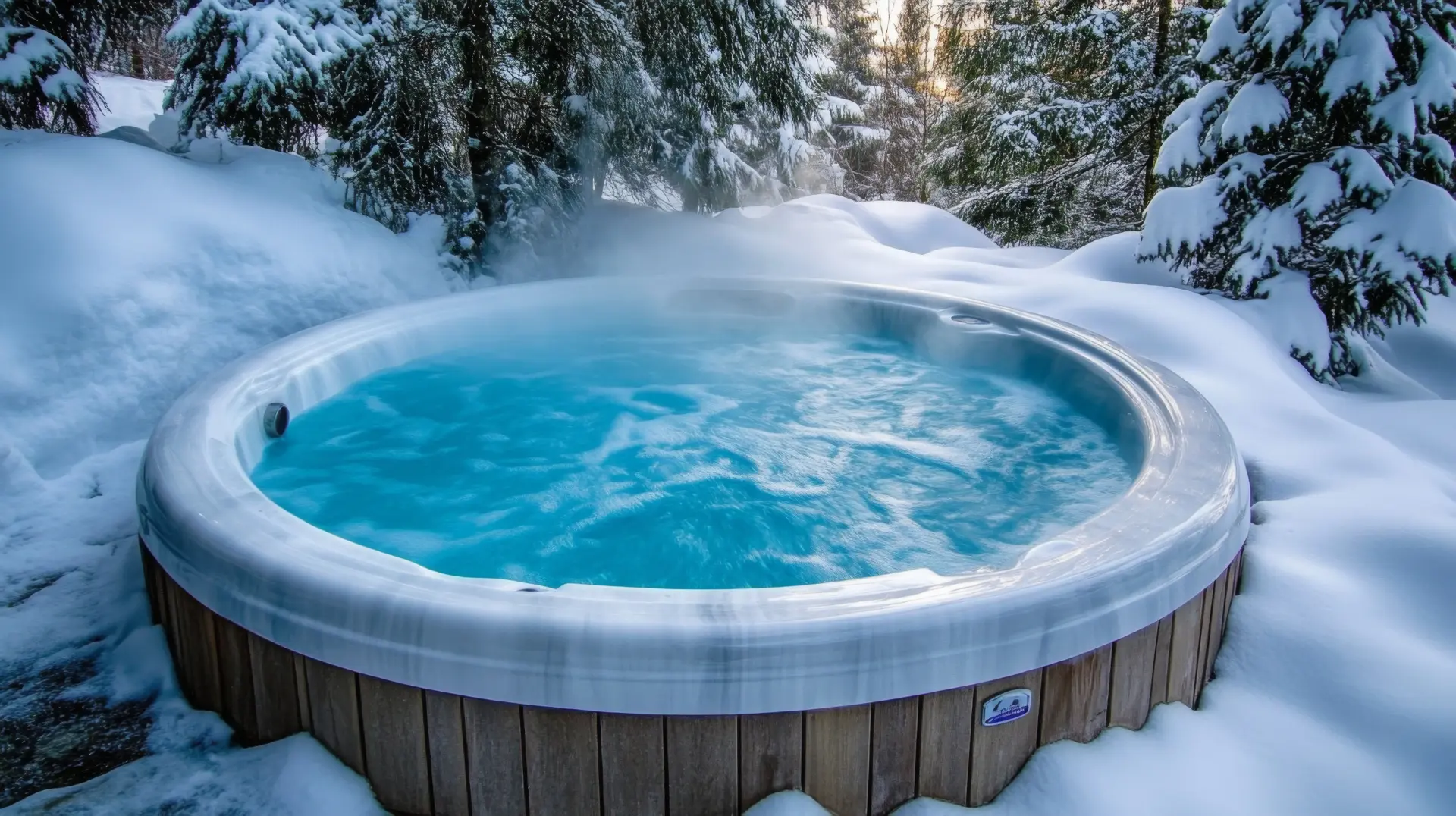
A working hot tub still needs regular maintenance during winter. Check water levels, water balance, filtration, circulation, and the cover as normal. Cold weather makes reliable circulation and heating particularly important because frozen water can damage pipes and other parts.
If you plan to leave the hot tub unused for an extended period, follow the manufacturer's shutdown instructions. Simply draining the main tub may not remove all the water from its pipework. Water left inside the system can freeze and expand.
If you are unsure how to prepare the hot tub for winter, professional winter care may be safer than trying to drain the complete system yourself.
A Simple Hot Tub Maintenance Schedule
A practical routine for a typical home hot tub can include frequent water testing, a weekly clean and filter check, a more detailed monthly inspection, and a drain and refill around every three to four months where recommended by the manufacturer.
Professional servicing should follow the schedule for your model, with earlier attention if you notice poor heating, weak circulation, leaks, unusual noises, or repeated water problems.
The exact timetable will always depend on the hot tub and how it is used. Regular maintenance is more effective than waiting until a fault develops.
Why a Regular Maintenance Routine Is Worthwhile
Hot tubs contain pumps, heaters, filters, jets, controls, seals, and pipework that all need to work together. Looking after the water and keeping the system clean reduces unnecessary strain on these parts.
A regular routine can also make ownership easier. Water problems are normally simpler to correct when they are found quickly. Filters are easier to clean before they become heavily blocked, and small leaks are easier to deal with before nearby materials become damaged.
The main point is consistency. Do not think of hot tub maintenance as one large job carried out a few times each year. Frequent small checks, supported by deeper cleaning and suitable professional servicing, are a better way to keep the water clean and the hot tub reliable.
Regular hot tub maintenance can help keep your water clean, improve performance, and find developing faults before they lead to larger repairs. Our hot tub maintenance service in Addlestone, Ashford, Banstead and Surrey covers water care, cleaning, filters, pumps, heating systems, inspections, and common problems to help keep your hot tub ready to use throughout the year.