Keep your hot tub protected through the colder months with practical winter maintenance tips covering water care, filters, heating, covers, circulation and protection from freezing temperatures.
Prepare Your Hot Tub Before Winter Arrives
Winter can place extra pressure on an outdoor hot tub. Colder air means the heater may need to work harder to maintain the water temperature, while frost can create a risk of damage if water stops circulating through the system. Preparing the hot tub before temperatures fall can help prevent problems during the coldest months.
Recent weather figures show why winter preparation remains important, even during relatively mild seasons. Met Office figures for winter 2025/26 show that the mean temperature across the United Kingdom was 4.94°C. The season also brought 390.1 mm of rainfall, which was 113% of the 1991 to 2020 average. Wet, cold and changeable conditions can all affect an outdoor hot tub.
Before winter, inspect the hot tub for leaks, damaged seals, poor water flow and unusual noises. Check that the heater, pump and controls are working properly. Dealing with a small problem before a cold spell is usually much easier than discovering a fault when temperatures have already fallen.
Keep the Water Clean and Balanced
Water care remains essential throughout winter. It can be tempting to check the water less often when the hot tub is being used less frequently, but poor water balance can still cause scale, corrosion, cloudy water and damage to important parts.
Test the water regularly and follow the recommended levels for your particular hot tub and water treatment products. Winter rain can also enter the water when the cover is open and may affect its balance. Heavy use can have a similar effect because sweat, cosmetics, lotions and other substances enter the water.
Good water care is also important for health. The Health and Safety Executive recognises spa pool systems as a possible source of harmful bacteria when they are not managed correctly. Keeping water clean, treated and circulating properly should therefore remain part of your maintenance routine throughout winter.
Maintain a Suitable Water Temperature
If you plan to continue using your hot tub during winter, avoid allowing the water temperature to fall too low simply to save energy. The heating and frost protection systems need to work as intended to reduce the chance of water freezing inside the pipework.
Follow the hot tub manufacturer's instructions when selecting the temperature. Avoid making large temperature changes every day because the heater may then have to work harder to bring a large volume of cold water back to the required temperature.
Check the control panel regularly for unexpected temperature changes or warning messages. If the hot tub suddenly struggles to heat, takes much longer than normal or cannot maintain its set temperature, investigate the cause rather than simply increasing the setting. Restricted water flow, a dirty filter or a developing heater fault could be responsible.
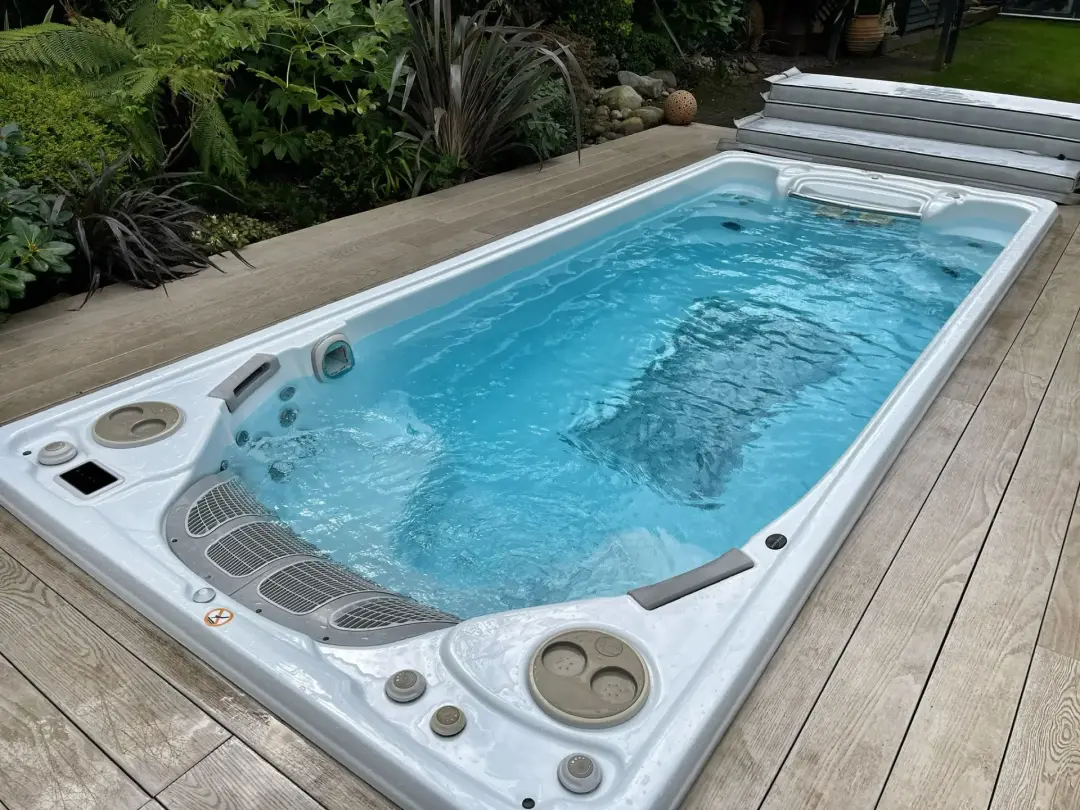
Clean the Filters Regularly
Clean filters are particularly important during winter because good water flow supports both heating and circulation. A blocked filter can restrict the movement of water and make the pump work harder.
Remove loose dirt by rinsing the filters according to the manufacturer's instructions. Filters may also need a deeper clean from time to time to remove oils and other deposits that cannot be washed away with a quick rinse.
Check the condition of each filter while cleaning it. Damaged, worn or heavily blocked filters may need replacing. Keeping the filters in good condition can improve water flow and reduce unnecessary strain on other parts of the hot tub.
Check the Hot Tub Cover
A good cover is one of the most useful forms of winter protection. It helps keep heat inside the hot tub while keeping rain, leaves and other debris out. This becomes especially important during colder weather because unnecessary heat loss can make the heating system work harder.
Inspect the cover for cracks, damaged edges, loose straps and gaps around the hot tub. Check whether it has become unusually heavy, as this can be a sign that water has entered the cover. A waterlogged cover may provide less effective insulation and can become difficult to move.
Winter 2025/26 was also a relatively dull season, with the United Kingdom receiving only 84% of its average winter sunshine. Along with above-average rainfall, these conditions are a reminder that covers can face long periods of damp winter weather. Regular cleaning and inspection can help you spot deterioration before it becomes a larger problem.
Keep the Water Level Correct
The water level may seem like a small detail, but it is important for reliable circulation. If the level becomes too low, the pump may not receive the water flow it needs. This can affect circulation and heating and may cause the system to display an error.
Check the level regularly, particularly after the hot tub has been used by several people. Water can be lost through splashing and when people enter or leave the tub. Follow the manufacturer's recommended level when adding fresh water.
Take extra care when topping up a hot tub during freezing weather. Water from outdoor taps and hoses may freeze, and leaving a hose connected outside can cause additional problems. Plan water changes and larger top-ups for suitable weather conditions whenever possible.
Make Sure Water Continues to Circulate
Good circulation is one of the most important parts of winter hot tub maintenance. Moving water supports filtration, distributes treatment products and helps the heating system maintain an even temperature.
Do not switch the hot tub off during freezing weather unless you are following a proper winter shutdown process. Water left sitting inside pumps, heaters and pipework can freeze as temperatures fall. Water expands when it freezes, which can place pressure on fittings and other parts of the system.
Pay attention to weak jets, poor water movement and circulation warnings. Start by checking simple causes such as the water level and filter condition. If normal maintenance does not restore the flow, arrange for the system to be inspected before colder weather creates an additional risk.
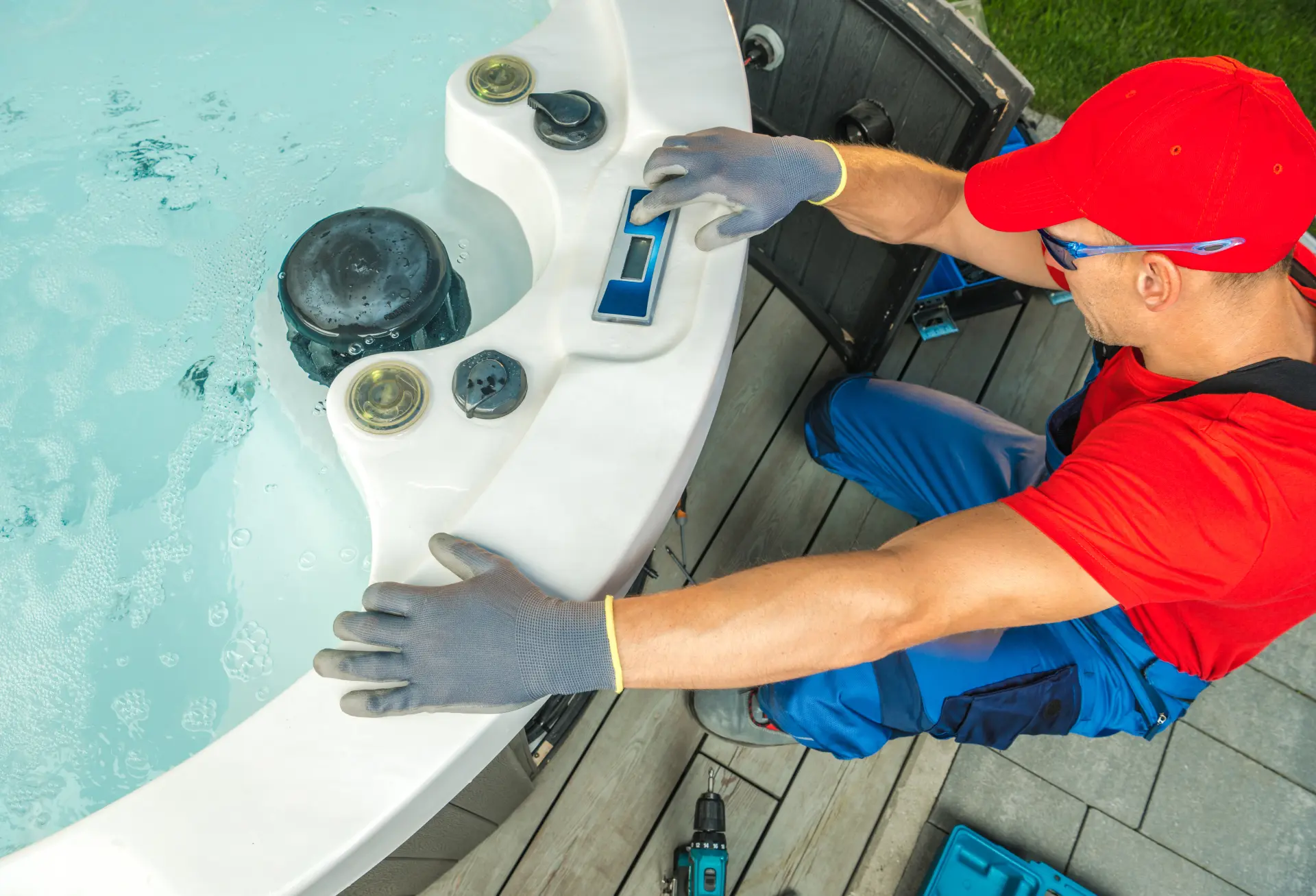
Look for Leaks Before They Become Serious
A small leak is worth dealing with at any time of year, but winter can make it more urgent. Escaping water can affect insulation, surrounding fittings and electrical parts, while falling water levels may interfere with normal circulation.
Check around the cabinet and underneath accessible areas for moisture. A water level that repeatedly falls without an obvious reason may also indicate a hidden leak.
Finding the source is not always straightforward because water can travel along pipework or internal surfaces before becoming visible. If you cannot find the cause, arranging an inspection can help prevent a minor leak from becoming a much larger winter repair.
Remove Snow and Ice Carefully
If snow falls, avoid allowing a large amount to build up on the hot tub cover. The extra weight can place pressure on the cover and its internal structure. Remove loose snow carefully rather than using sharp tools that could tear or puncture the surface.
Keep the area around the hot tub safe as well. Water splashed onto paths, steps or decking can freeze and create a slippery surface. Take care when walking around the hot tub and keep access routes clear where possible.
Do not pour boiling water over frozen parts in an attempt to clear ice quickly. Sudden temperature changes may damage some materials. If a component is frozen or will not move normally, follow the manufacturer's instructions or seek professional advice.
Reduce Heat Loss During Winter
Keeping heat inside the hot tub can reduce the amount of work required from the heater. Always replace the cover properly after use and make sure it fits closely around the edges.
Limit the amount of time the cover remains open unnecessarily. During very cold weather, a large amount of heat can be lost while the water is exposed to the air. Preparing towels and anything else you need before opening the hot tub can help reduce the time it remains uncovered.
Check the cabinet panels and insulation for obvious signs of damage. Missing panels, gaps or wet insulation may reduce protection against cold weather. If you notice a sudden increase in heating time without any change in how you use the hot tub, it may be worth having the system checked.
Do Not Simply Drain a Hot Tub and Leave It
If you do not plan to use your hot tub during winter, switching it off and draining the visible water is not always enough. Water can remain inside pumps, heaters, jets and pipework after the main tub has been emptied.
Any trapped water may freeze during a cold spell. As it freezes and expands, it can damage pipes, seals and other internal parts. A hot tub that is going to remain unused during freezing weather therefore needs to be shut down correctly.
Follow the winter shutdown procedure supplied by the manufacturer. The process can differ between hot tubs, so avoid assuming that the same steps apply to every model. If you are unsure whether all of the water has been removed safely, professional winter preparation may be a sensible option.
Keep Checking the Hot Tub Even When You Use It Less
Some owners use their hot tub frequently during winter, while others may go several weeks between uses. Less frequent use should not mean that maintenance stops completely.
Continue checking the water, temperature, cover, filters and circulation. Look at the control panel for warnings whenever you pass the hot tub. Catching a fault quickly can be particularly important during freezing weather because a loss of heating or circulation may expose the pipework to cold conditions.
A simple regular check can also reveal storm damage, fallen branches, debris or changes to the water level. Winter weather can change quickly, so keeping an eye on an outdoor hot tub is much safer than leaving it unattended for long periods.
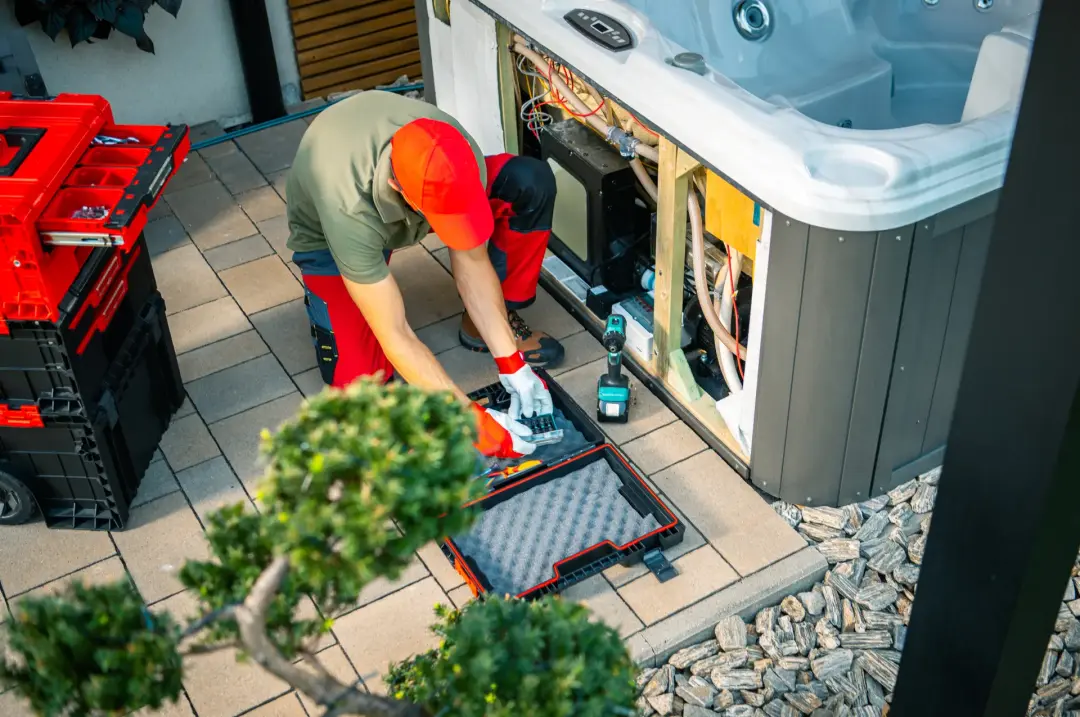
Book a Winter Hot Tub Service
Routine home maintenance can prevent many common problems, but some parts of a hot tub need professional attention. A winter service can be useful for checking the heater, pump, seals, jets, controls, pipework and general water flow.
An engineer may also spot early signs of leaks, worn parts or poor performance that are difficult to identify during normal use. Finding these issues before severe weather arrives may help prevent an unexpected breakdown.
If possible, arrange maintenance before the coldest part of winter, particularly if the hot tub has previously experienced heating, circulation or leak problems.
Know When to Call a Hot Tub Engineer
Some winter problems require more than routine cleaning and water care. Seek professional help if the hot tub repeatedly loses power, stops heating, loses water, produces unusual noises or shows recurring warning messages.
You should also arrange an inspection if circulation stops during freezing weather. Waiting for the weather to improve while water remains trapped in an inactive system could increase the risk of damage.
A reliable winter maintenance routine combines regular owner checks with professional help when something does not appear right. Keeping the water treated, filters clean, cover secure and circulation system operating properly can help protect the hot tub throughout winter and leave it ready for use when warmer weather returns.
Keep your hot tub protected throughout winter with professional maintenance from Hot Tub Engineers Surrey in Leatherhead and Surrey.
Regular servicing can help identify leaks, heating problems, poor circulation and worn parts before they cause more serious damage, helping your hot tub remain clean, reliable and ready to use throughout the colder months.